


Peptide Therapy
Frequently Asked Questions
-
Peptides are short chains of amino acids that act as signaling molecules within the body. Different peptides interact with different biological pathways, which is why peptide therapies may be used to support a variety of health and wellness goals.
-
Getting started is simple! Schedule a Peptide Therapy Consultation with our provider to discuss your goals, health history, and determine which peptide therapy may be right for you. A $50 deposit is required to book your consultation and will be applied toward your peptide prescription. Lab work may be required for certain peptide therapies.
-
Peptides work by communicating with specific receptors and pathways in the body. Depending on the peptide prescribed, therapy may be designed to support processes related to recovery, body composition, metabolism, sleep, performance, or overall wellness.
-
The potential benefits depend on the specific peptide and your individual needs. Peptide therapy may be considered for goals such as:
Supporting healthy body composition
Exercise recovery and performance
Sleep quality
Energy and overall wellness
Healthy aging
Skin and hair health
-
Peptide therapy is not one-size-fits-all. Your provider will review your medical history, current medications, health concerns, and individual goals to determine whether peptide therapy is appropriate and which option may be best suited for you.
-
Frequency varies depending on the peptide, prescribed dose, and treatment plan. Some protocols are used several days per week, while others may follow a different schedule. You will receive individualized dosing instructions from your provider.
-
Results vary depending on the peptide, treatment goal, and individual response. Some patients may notice changes within the first several weeks, while other benefits can develop gradually with consistent treatment.
-
Treatment length is individualized. Your provider may recommend a defined treatment period followed by reassessment or an ongoing plan with regular monitoring, depending on your goals and response.
-
FDA approval varies by medication and indication. Some peptide-based medications are FDA-approved for specific uses, while other peptide therapies may involve compounded medications that are not FDA-approved. Your provider can explain the regulatory status of the specific treatment being recommended to you.
-
Peptide therapy is typically completed in 3-month cycles, followed by a 1-month break. At the end of each 3-month cycle, you’ll come in for a follow-up visit so your provider can reevaluate your progress, discuss how you’re feeling, and make sure your treatment plan continues to meet your needs.
There is no consultation fee. A $50 deposit is required to book your consultation and will be applied in full toward your peptide prescription order.

NAD+ (nicotinamide adenine dinucleotide) is a naturally occurring coenzyme found in every cell of the body. It plays an essential role in cellular energy production, metabolism, DNA repair, and other processes involved in healthy cellular function.
NAD+ levels naturally decline with age and may also be influenced by factors such as stress, sleep, lifestyle, and metabolic demands. NAD+ therapy is designed to supplement the body's available NAD+ and support cellular function as part of an individualized wellness plan.
NAD+

Potential Benefits of NAD+
Cellular energy production
Healthy metabolism
Mental clarity and focus
Exercise performance and recovery
Healthy aging and cellular repair processes
Overall energy and wellness

BPC-157, TB-500, and KPV are peptides that have gained interest in the wellness and performance space for their potential roles in supporting the body’s natural recovery and repair processes.
Often discussed for their potential effects on tissue repair, inflammation, and recovery, these peptides are being studied for their interactions with various biological pathways involved in healing and overall wellness. Research in humans remains limited, and potential benefits have not been established through FDA approval.
Recovery Blend (BPC-157/TB500/KPV)

Potential Benefits of Recovery Blend
Exercise and activity recovery
Muscle and soft-tissue recovery
Joint and connective-tissue wellness
The body's natural repair processes
Active lifestyles and physical performance

Performance Blend (CJC-1295/Ipamorelin)
CJC-1295 and Ipamorelin are peptides that have gained interest in the wellness and performance space for their potential roles in supporting recovery, body composition, sleep, and overall performance.
Often used together, these peptides are being studied for their interactions with pathways involved in the body’s natural production and release of growth hormone. Research in humans remains limited, and potential benefits have not been established through FDA approval.
Potential Benefits of Perforamance Blend
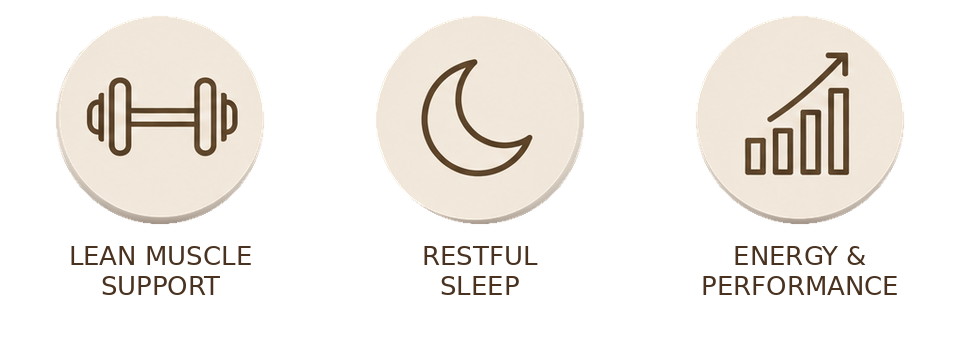
Supports lean muscle development
May support healthy body composition
Supports exercise recovery
May promote deeper, more restful sleep
Supports energy and overall performance
May support healthy aging and vitality

This blend combines peptides that have gained interest in the wellness and metabolic health space for their potential roles in supporting energy metabolism, mitochondrial function, and body composition. These compounds are being studied for their interactions with pathways involved in cellular energy and metabolic function. Research in humans varies by ingredient, and the combined blend has not been FDA-approved for these purposes.
Fat Burner Blend (SS-31/Mots-C/Tesamorelin)

Potential Benefits of Fat Burner Blend
May support healthy body composition
May support metabolic function
Supports cellular energy production
May support mitochondrial function
May support exercise capacity and endurance
May support recovery and overall vitality

PT -141
PT-141 is a peptide that has gained interest in the wellness and sexual health space for its potential role in supporting sexual desire and arousal.
Often discussed as a potential option for sexual wellness, PT-141 is being studied for its effects on pathways involved in sexual motivation and arousal.

Potential Benefits of PT-141
Sexual desire and arousal
Libido and sexual wellness
Sexual function
Intimacy and quality of life
Individuals experiencing reduced sexual desire