

PRP (Platelet-Rich Plasma)
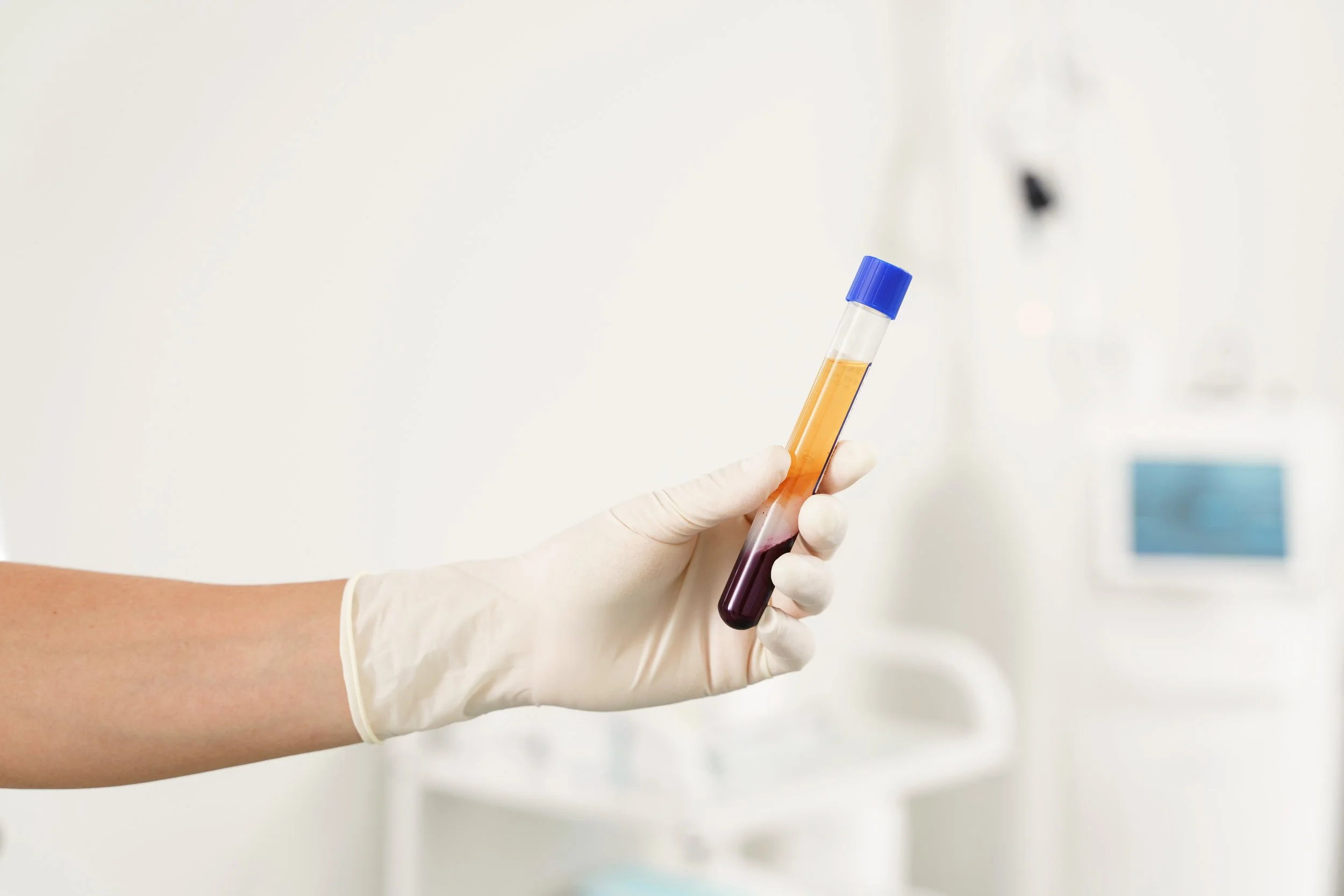
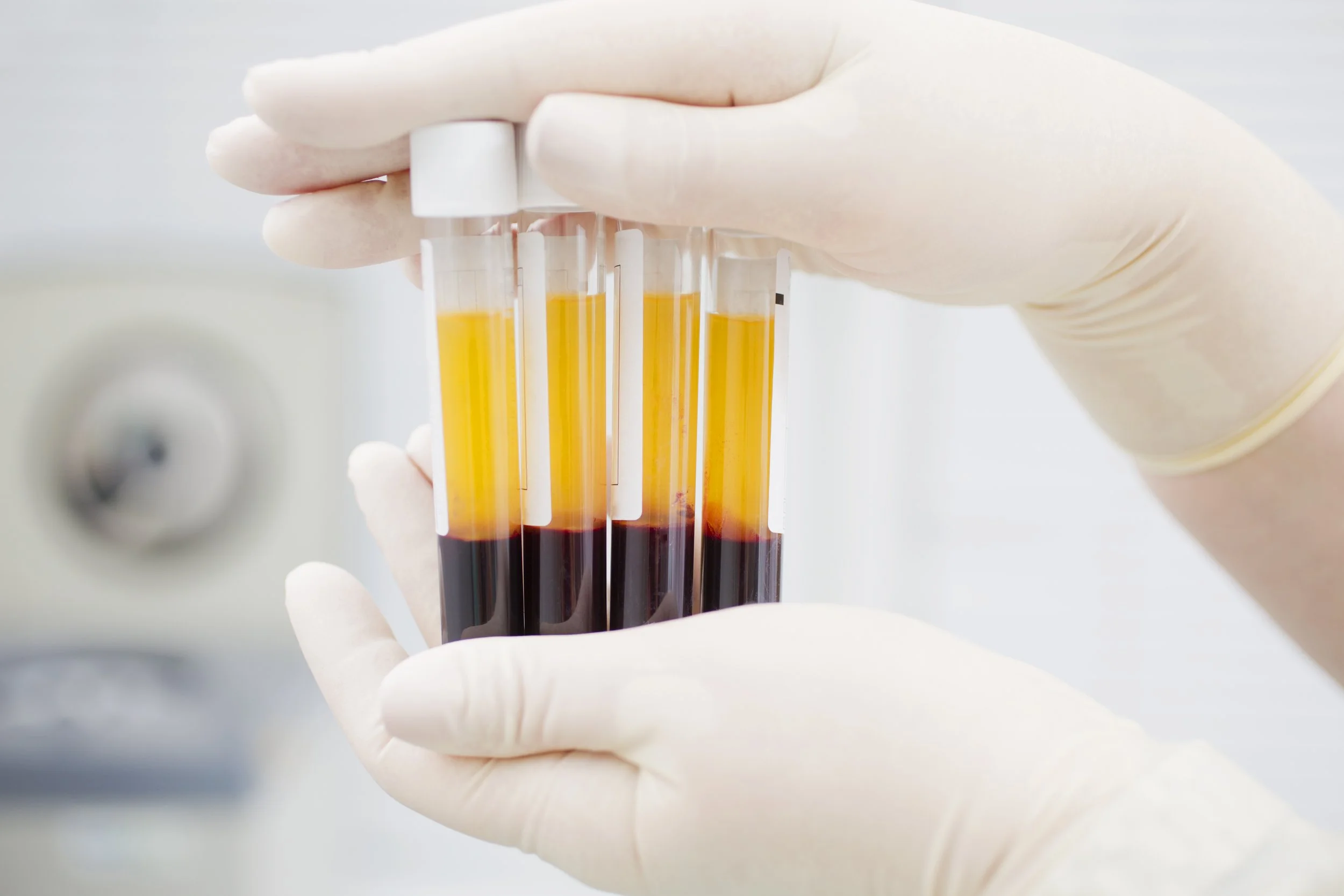
Platelet-Rich Plasma (PRP) is a treatment that uses your body’s own blood to stimulate healing, collagen production, and cellular regeneration. After a small blood draw, the platelets are separated and concentrated, then applied or injected into targeted areas to improve skin quality, tone, and overall rejuvenation.
What is PRP?
-
PRP is commonly used to improve:
Fine lines and wrinkles
Hair Restoration
Under-eye hollowness and crepey texture
Uneven skin tone and texture
Acne scarring
Loss of firmness and elasticity
Dull or tired-looking skin
-
Platelets contain growth factors that signal your body to repair and regenerate tissue. When PRP is placed into the skin, it triggers collagen production and improves circulation, helping skin heal itself from the inside out.
When injected into the scalp, PRP stimulates dormant hair follicles, improves blood supply to the follicles, and supports healthier, thicker-looking hair growth while helping to reduce shedding.
-
PRP can be customized based on your goals and may be used in several ways:
PRP Microneedling (Vampire Facial®) – PRP is applied topically during microneedling to enhance results
PRP Injections – PRP is injected into specific areas such as the under-eyes or full face
Scalp Injections (Hair Restoration) - supports healthier, thicker-looking hair growth
Combination Treatments – Microneedling and injections can be paired for more comprehensive rejuvenation
-
Most patients achieve optimal results with a series of 3 PRP treatments, spaced 4–6 weeks apart. This timing allows the body to respond to the growth factors in PRP and gradually build new collagen between sessions. Because PRP works by stimulating your body’s natural regenerative process, results continue to improve over time rather than appearing immediately.
The Vampire Facial
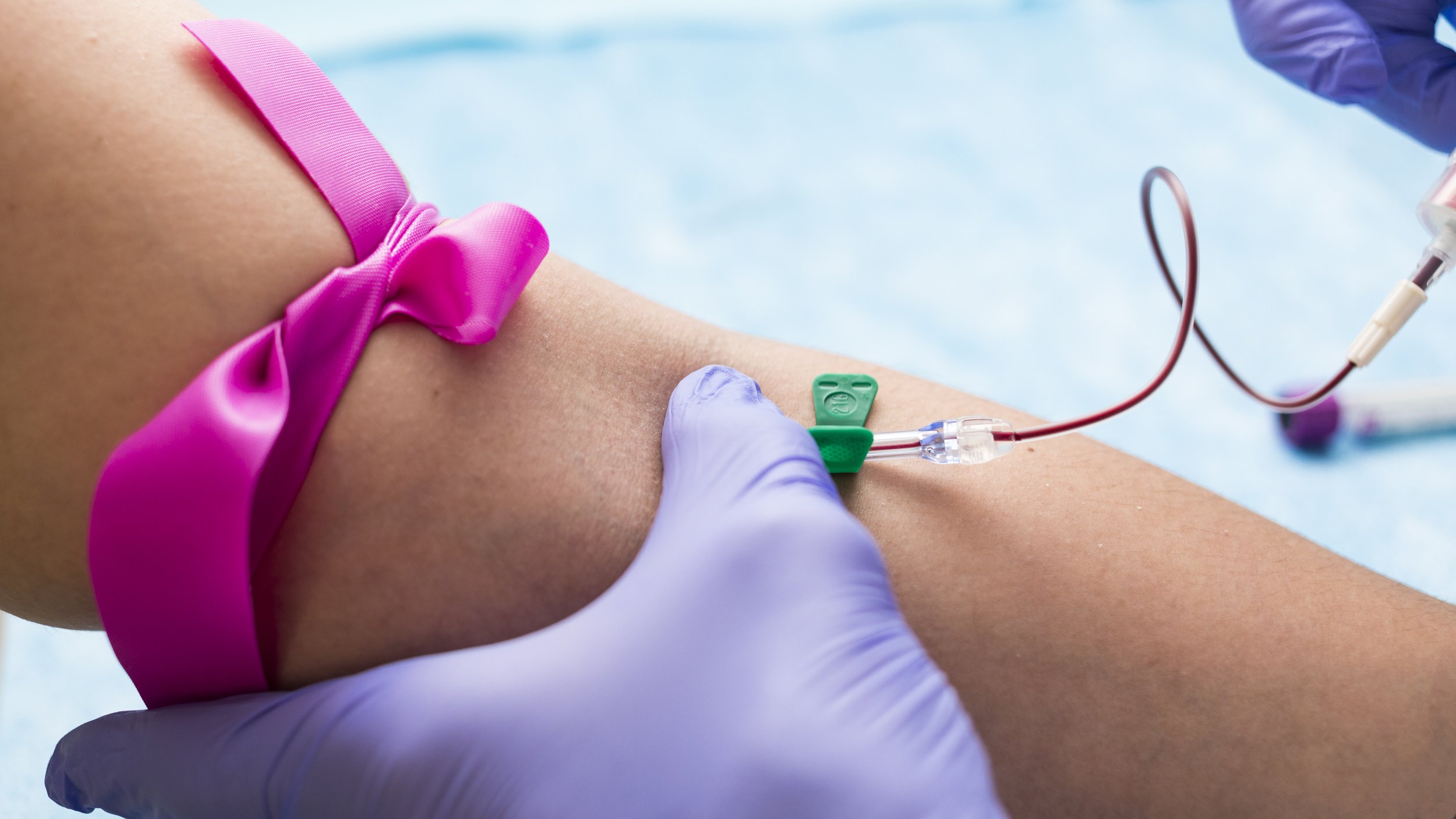
Step 1 - Blood Draw
Your treatment begins with you
A small amount of blood is drawn, similar to a routine lab test. This blood contains platelets and growth factors that play a key role in healing and collagen stimulation.
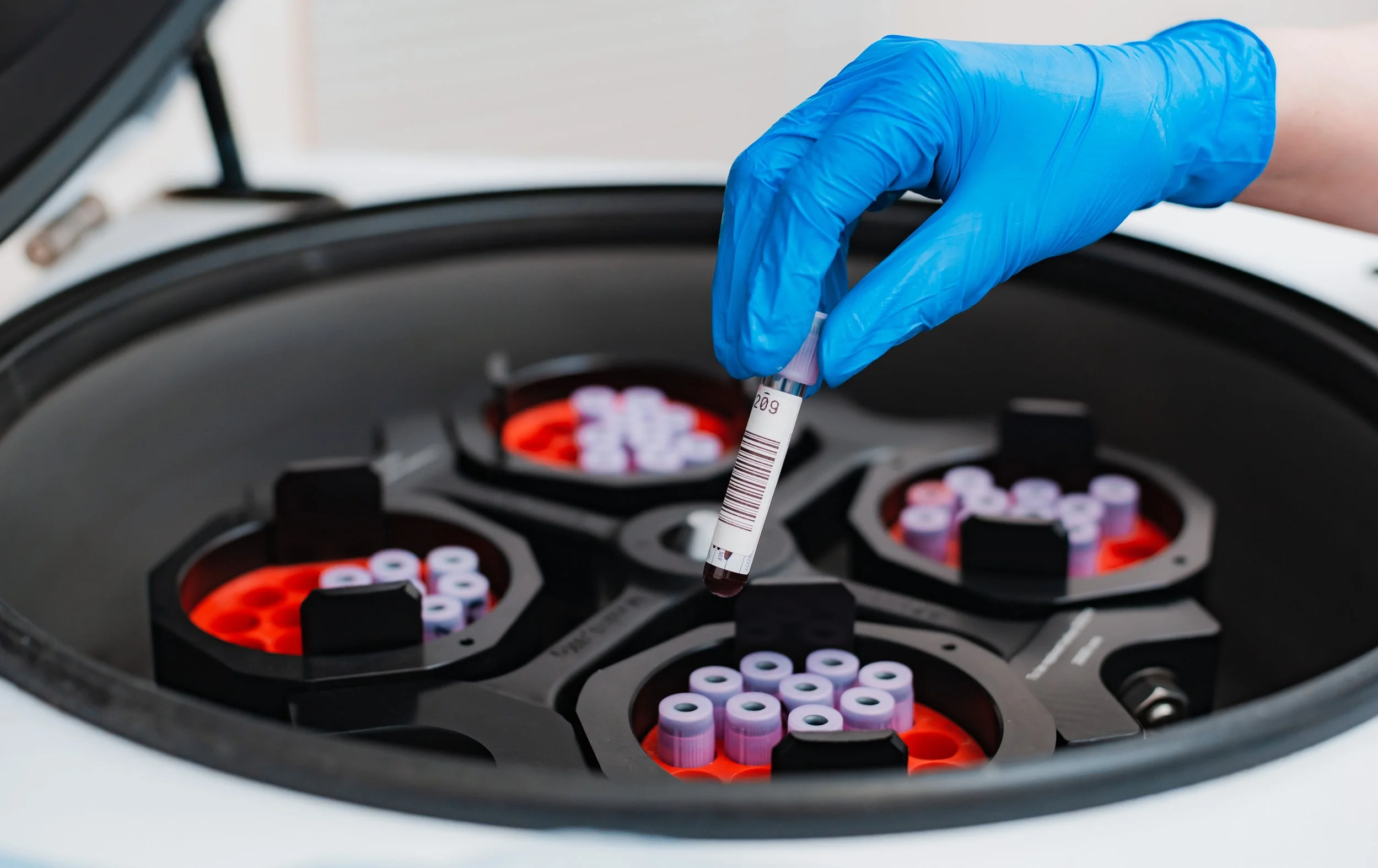
Step 2 - Platelet Seperation
Concentrating your body’s regenerative power
Your blood is placed into a centrifuge, where it is carefully spun to separate and concentrate the platelet-rich plasma (PRP). This purified PRP contains powerful growth factors used to stimulate skin renewal and repair.
Step 3 - PRP Microneedling
Targeted collagen stimulation
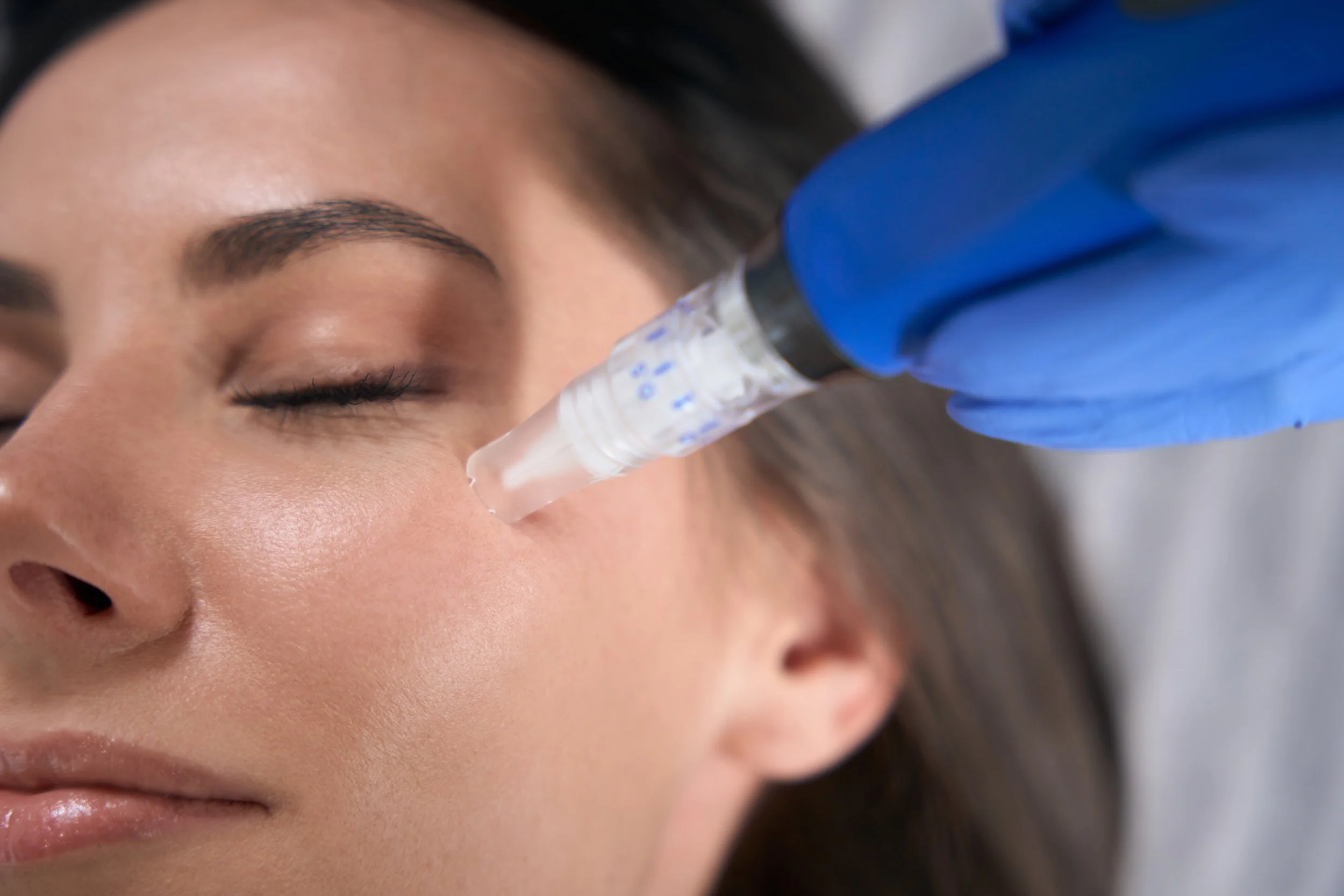
The PRP is applied to the skin during microneedling, allowing it to penetrate deeply into the treatment area. Microneedling creates controlled micro-channels that enhance PRP absorption and trigger your body’s natural collagen-building response for smoother, firmer, more radiant skin.
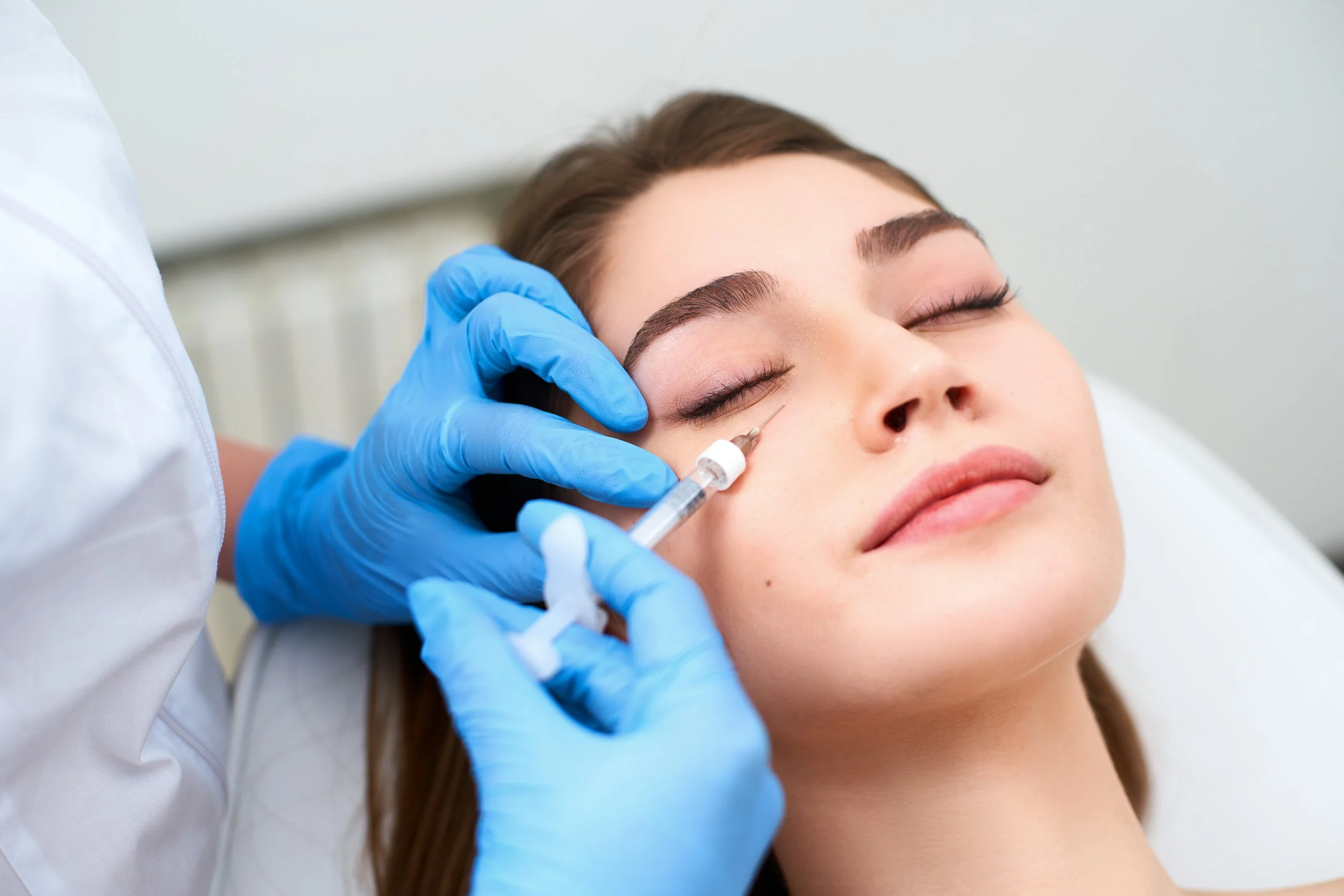
PRP under-eye injections are performed to improve dark circles, crepey texture, fine lines, and early volume loss by stimulating collagen and tissue regeneration in the delicate under-eye area. Using your body’s own platelet-rich plasma, PRP is carefully injected to improve skin quality and thickness over time, resulting in a brighter, smoother, and more refreshed appearance. Most patients benefit from a series of 2–3 treatments, spaced 4–6 weeks apart, as results develop gradually with continued collagen production. Because PRP works naturally, improvements are subtle and progressive.
Under-Eye Injections
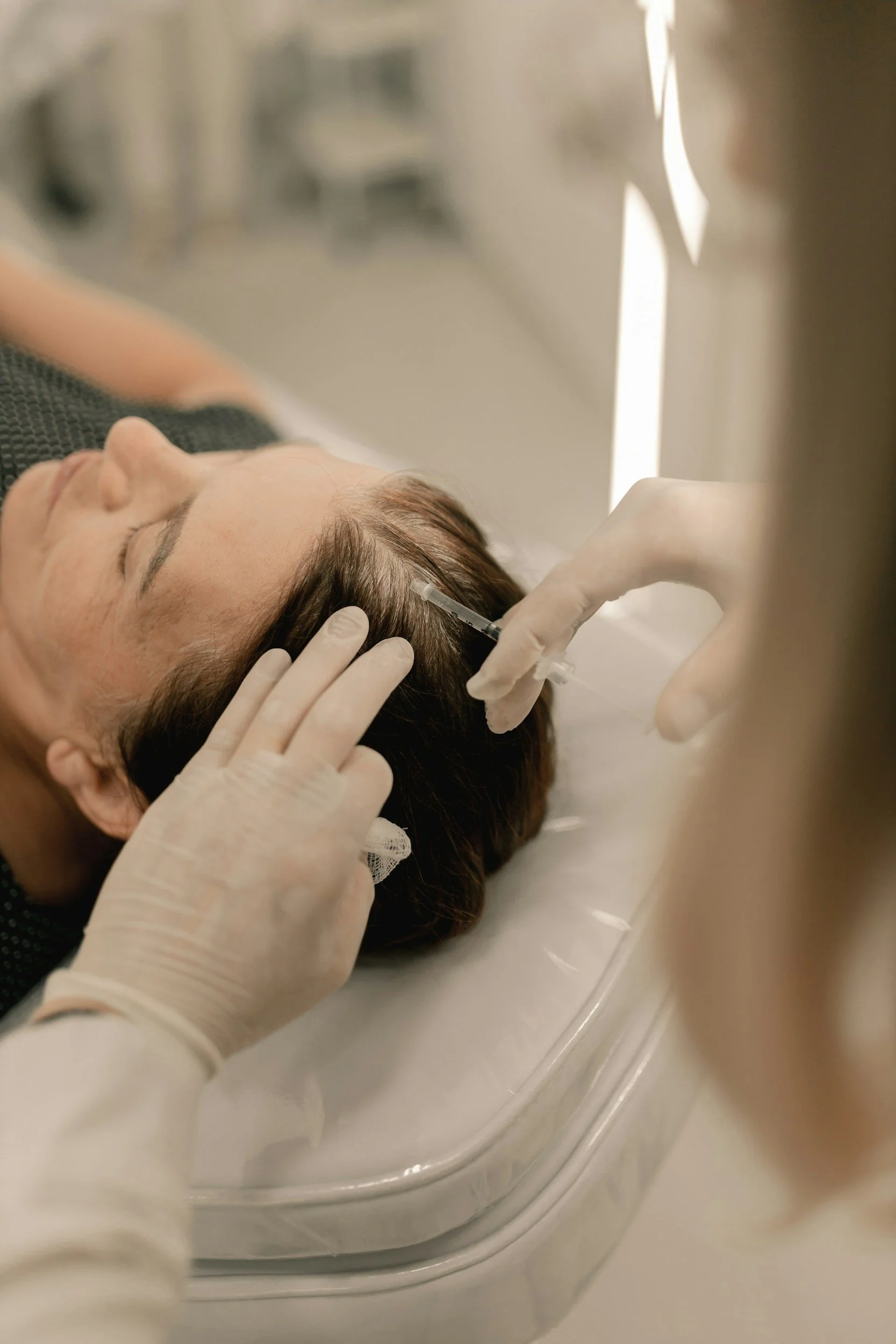
Restore healthier, fuller-looking hair with Platelet-Rich Plasma (PRP) therapy. This non-surgical treatment uses the healing growth factors found in your own blood to stimulate hair follicles, improve hair density, and help reduce shedding. After a small blood draw, your PRP is processed and strategically injected into areas of thinning on the scalp to encourage stronger, healthier hair growth. PRP is most effective for men and women experiencing early to moderate hair thinning and is often combined with other hair restoration treatments for optimal results.
Treatment Time: Approximately 45–60 minutes
Downtime: Minimal; most patients return to normal activities the same day. Mild tenderness or soreness of the scalp for 24–48 hours is common.
Recommended Series: A series of 3–4 treatments spaced 4–6 weeks apart is typically recommended, followed by maintenance treatments every 6–12 months based on your individual needs and goals.